Definition
Limb length discrepancy (LLD) is a difference in the lengths of the lower limbs. It may be structural, due to a true difference in bone length, or functional, due to contracture, pelvic obliquity or deformity.
Causes
Congenital
- Developmental dysplasia of the hip
- Congenital femoral deficiency
- Hemihyperplasia or hemihypoplasia
- Fibular or tibial deficiency
- Clubfoot and other congenital deformities
Acquired
- Physeal injury or infection
- Malunion or bone loss after fracture
- Neuromuscular disorders
- Tumour or tumour treatment
- Iatrogenic overgrowth or growth arrest
Clinical assessment
Block test
Place measured blocks beneath the short limb until the pelvis is level. This provides a practical estimate of functional discrepancy.
True limb length
Measure from the ASIS to the medial malleolus.
Apparent limb length
Measure from a central pelvic landmark such as the umbilicus to the medial malleolus. Apparent discrepancy may be altered by pelvic obliquity or fixed deformity.
Imaging
- Standing long-leg radiograph or scanogram
- CT scanogram when contracture makes standard measurement unreliable
- Serial measurements in a growing child
Prediction at skeletal maturity
Management in children depends on the predicted discrepancy at maturity, not simply the discrepancy measured today. Common methods include:
- Moseley straight-line graph
- Green-Anderson growth-remaining charts
- Multiplier method
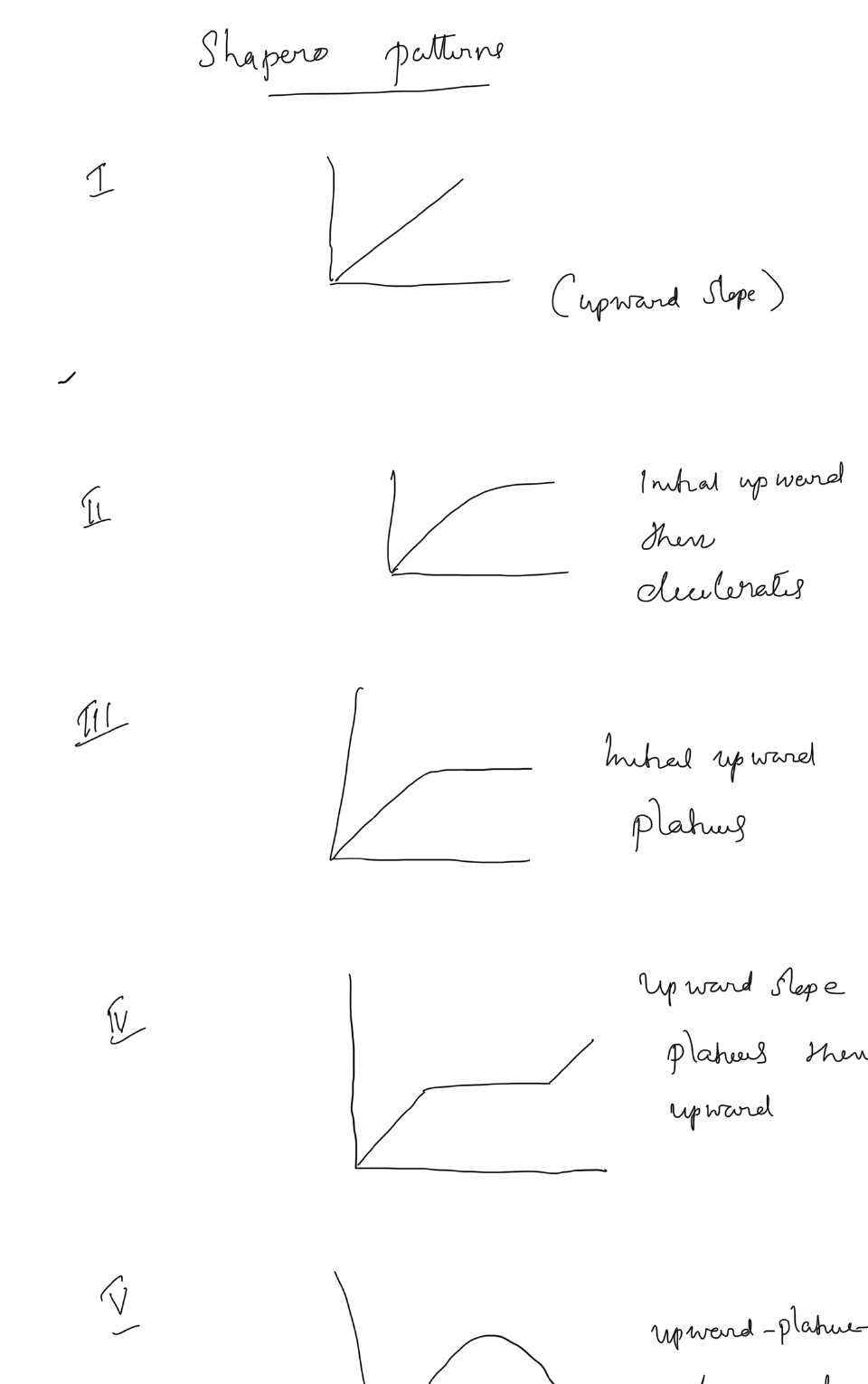
Growth may follow different patterns depending on the cause. Serial measurements are therefore important.
Treatment principles
- Small discrepancies may need no treatment or a shoe lift.
- At predicted maturity, differences below about 2 cm are commonly managed non-operatively.
- Moderate discrepancies may be treated by epiphysiodesis of the longer limb when sufficient growth remains.
- Larger discrepancies may require limb lengthening, shortening procedures or a combination of strategies.
Epiphysiodesis
Timing is critical. It should be planned from skeletal age, remaining growth and the predicted discrepancy at maturity.
References
- Orthobullets — Leg Length Discrepancy (LLD)