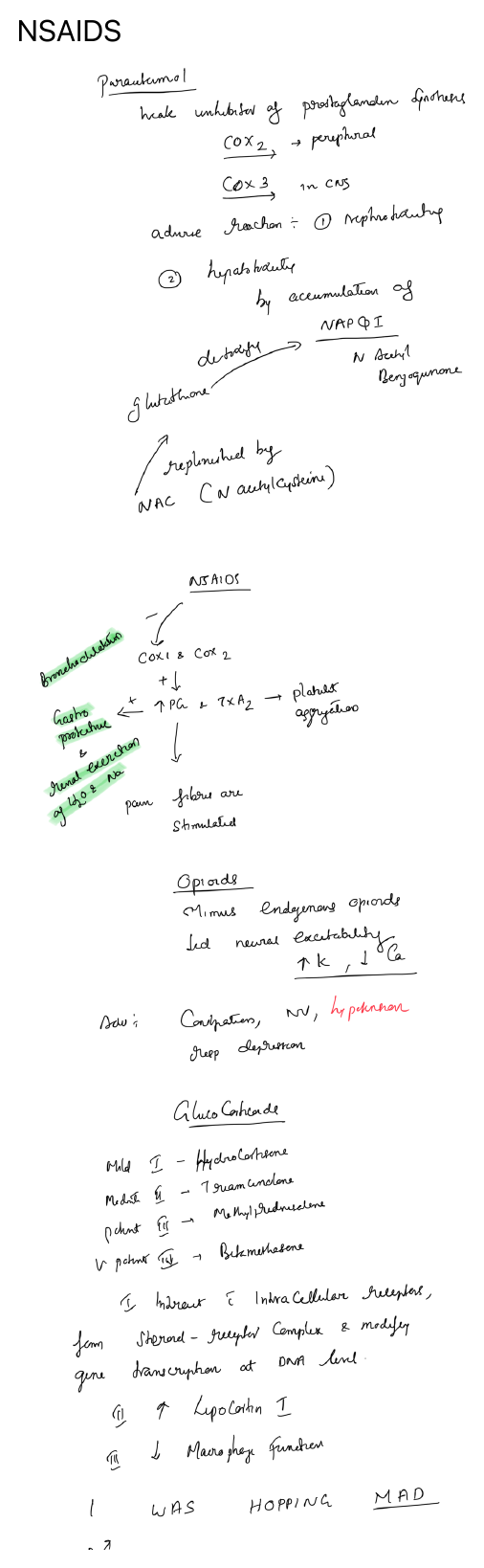
Definition
Non-steroidal anti-inflammatory drugs (NSAIDs) are drugs that provide analgesic, anti-inflammatory and antipyretic effects primarily through inhibition of cyclo-oxygenase (COX) enzymes and reduced prostaglandin synthesis.
Mechanism of action
- COX-1 is constitutively expressed and involved in gastric protection, platelet function and renal blood flow.
- COX-2 is more strongly associated with inflammation and pain.
- Non-selective NSAIDs inhibit both COX-1 and COX-2.
- COX-2 selective inhibitors preferentially inhibit COX-2.
Common uses in orthopaedics
- Musculoskeletal pain
- Inflammatory arthropathy symptom control
- Postoperative analgesia as part of multimodal pain relief
- Heterotopic ossification prophylaxis in selected settings
Important adverse effects
Gastrointestinal
- Dyspepsia
- Gastritis
- Peptic ulceration
- Gastrointestinal bleeding
Renal
- Reduced renal perfusion
- Acute kidney injury
- Sodium and water retention
Cardiovascular
- Hypertension
- Fluid retention
- Increased thrombotic risk with some agents, especially some COX-2 selective drugs
Other
- Bronchospasm in aspirin-sensitive asthma
- Platelet dysfunction with non-selective agents
- Hypersensitivity reactions
Contraindications and caution
Use with caution or avoid in:
- peptic ulcer disease
- renal impairment
- uncontrolled heart failure
- significant cardiovascular risk
- anticoagulated patients
- pregnancy in later stages
Bone healing
There is concern that NSAIDs may impair bone healing in some settings, particularly with prolonged use, although the clinical significance varies by circumstance.
Diagram